
History of the Institute for Seri Biotechnological Research (ISBR)
The Institute for Seri Biotechnological Research (ISBR), located at Kodathi, Bengaluru, is a premier national research institute functioning under the administrative and technical control of the Central Silk Board (CSB), Ministry of Textiles, Government of India. The institute traces its origins to 1993, when the Central Silk Board, in collaboration with the World Bank, established the Seri-Biotech Research Laboratory (SBRL) under the National Sericulture Project. The primary objective was to integrate modern biological sciences and advanced biotechnology with sericulture research to address the emerging biological and technological challenges of the Indian silk industry.
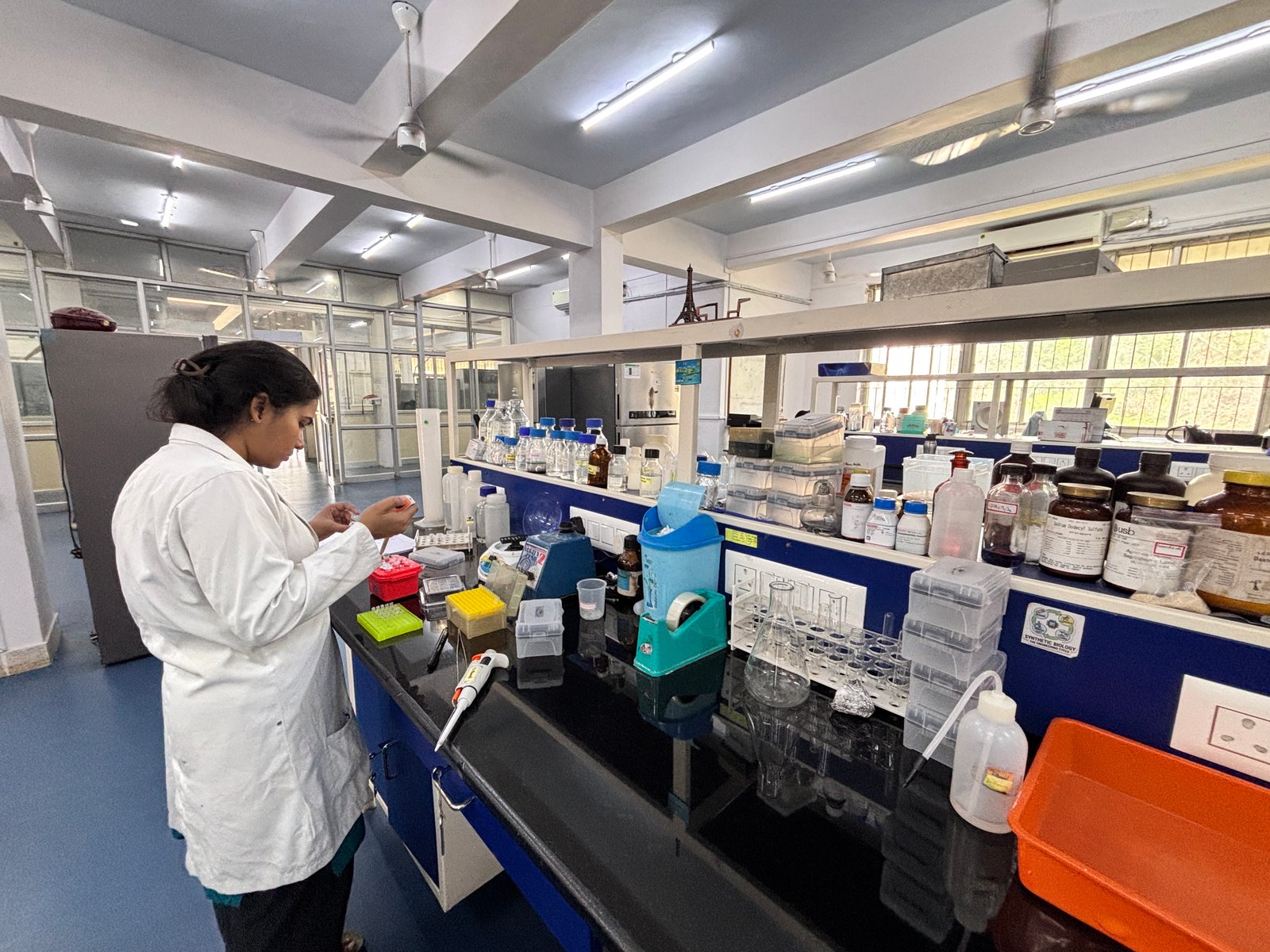
Over the years, SBRL evolved into the Institute of Seri Biotechnological Research (ISBR), reflecting its expanded mandate and growing role as the biotechnology research arm of the Central Silk Board. From its initial focus on applying molecular biology and biotechnology to sericulture, the institute has developed into a centre of excellence for multidisciplinary research encompassing genomics, molecular biology, functional biology, bioengineering, biomaterials, and bioinformatics. Through sustained research and technological innovation, ISBR has made significant contributions towards improving the productivity, sustainability, and global competitiveness of the Indian sericulture sector.
The institute's research programmes have progressively expanded to include silkworm biotechnology, host plant biotechnology, molecular pathology, proteomics, functional genomics, molecular breeding, and silk biomaterials. Advanced genomic technologies, including transcriptomics, molecular marker-assisted breeding, genome sequencing, genome analysis, and genome editing, are now integral components of its research aimed at developing superior silkworm breeds with enhanced productivity, silk quality, disease resistance, and climate resilience. Parallel efforts in mulberry biotechnology focus on developing high-yielding, nutritionally superior, and stress-tolerant varieties through conventional and molecular breeding, tissue culture, germplasm characterization, and genomics-assisted crop improvement.
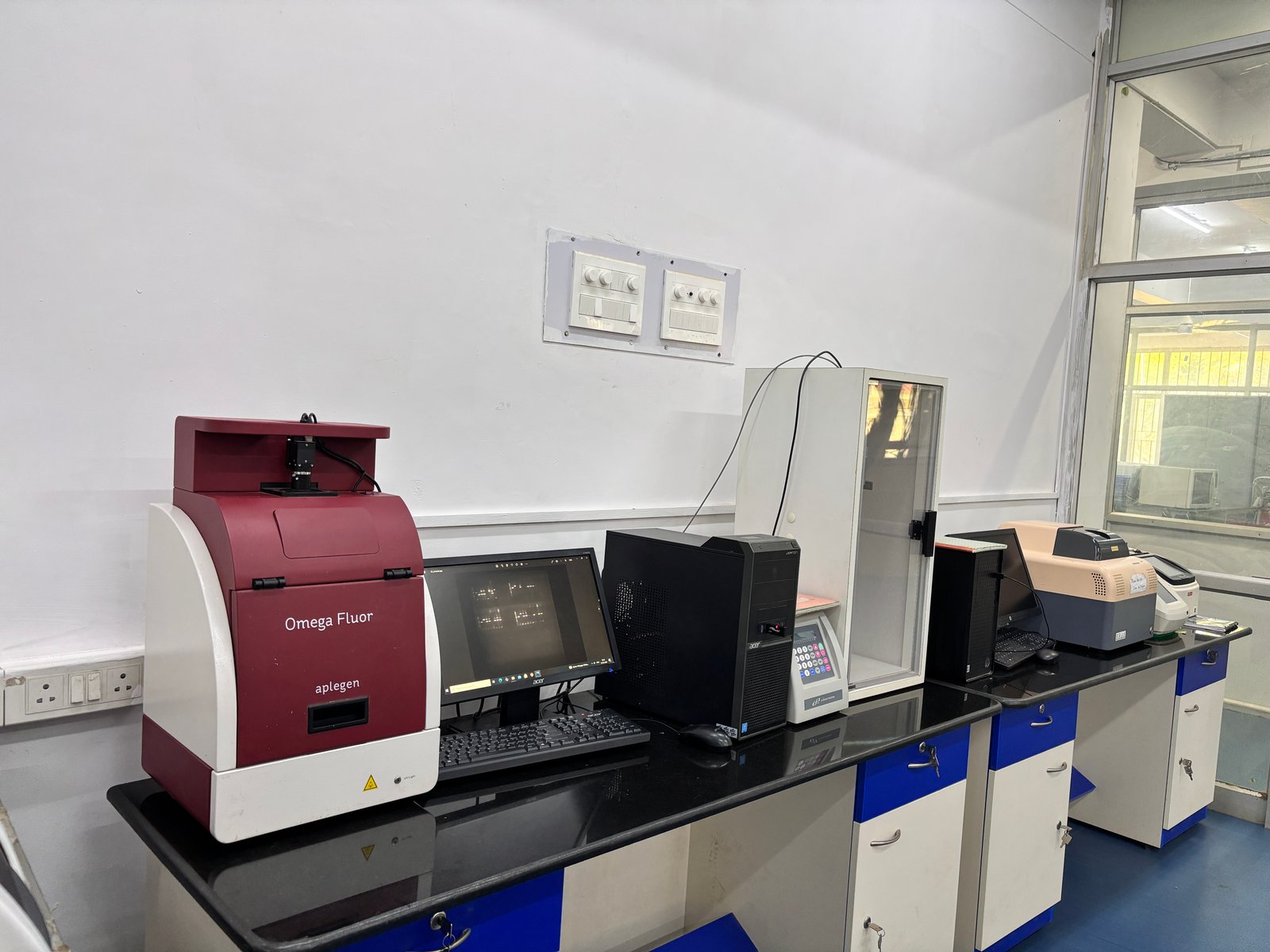
Recognizing the unique biological and material properties of silk proteins, ISBR has also diversified its research into silk biomaterials and translational biotechnology. The institute has pioneered research on silk-based biomaterials for applications in healthcare, regenerative medicine, tissue engineering, wound healing, cosmetics, biodegradable materials, and other high-value industrial products. This strategic diversification has expanded the role of sericulture beyond conventional textile production, positioning silk as an advanced biomaterial with significant societal and commercial potential.
Today, ISBR is equipped with state-of-the-art laboratories and advanced research infrastructure supporting genomics, proteomics, molecular diagnostics, bioinformatics, biomolecule engineering, microscopy, imaging, and high-throughput analytical technologies. Through multidisciplinary research, national and international collaborations, and continuous technological advancement, the institute continues to generate innovative solutions for the sustainable development of the sericulture sector while supporting farmers, industry, entrepreneurs, and the scientific community. As the premier biotechnology institute of the Central Silk Board, ISBR remains committed to advancing frontier research that strengthens India's leadership in sericulture and expands the applications of silk and silk-derived biomaterials in emerging scientific and industrial domains.