
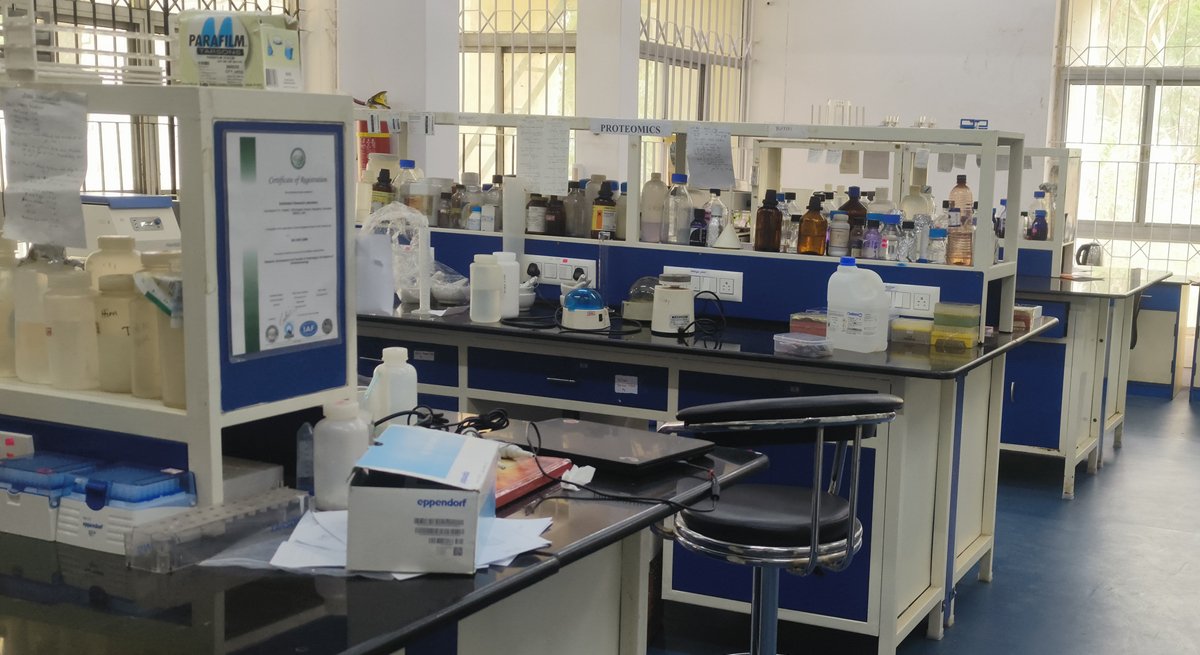
Core Research Focus Areas
IBy leveraging advanced biotechnological approaches, our scientific endeavours are concentrated across key domains to support the broader sericulture industry:

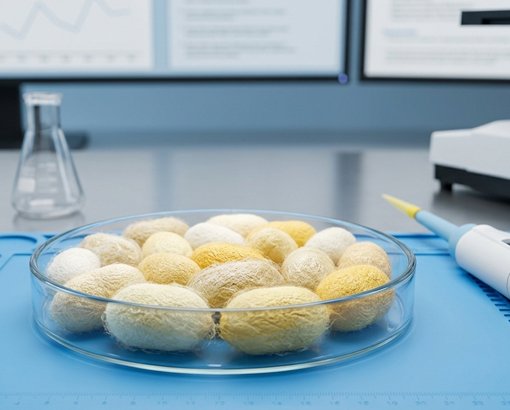
Major Research Divisions
Silkworm Biotechnology
The division focuses on advanced research in silkworm biology encompassing genetics, genomics, molecular breeding, functional genomics, and biotechnology-driven improvement strategies. The objective is to develop superior silkworm breeds with enhanced productivity, improved silk quality, disease resistance, and resilience to changing environmental conditions.
Host Plant Biotechnology
This division is dedicated to the genetic improvement of host plants, through the application of molecular breeding, genomics, tissue culture, genetic resource characterization, and biotechnology-based interventions. Research outcomes are directed towards developing high-yielding, climate-resilient, nutrient-efficient, and disease-tolerant host plant varieties to strengthen sericulture productivity.
Silk Biomaterials
The division explores the translational potential of silk proteins and silk-derived biomolecules for next-generation applications in healthcare and sustainable technologies. Research activities encompass biomaterial engineering, regenerative medicine, tissue engineering, biomedical devices, cosmetic applications, and development of environmentally sustainable industrial products derived from silk-based resources.
“Sericulture is nature's perfect circular economy-where every product and every by-product holds value. Truly, the silkworm is a Kalpa-Keeta, the wish-fulfilling insect.”
- Institute : CSB-ISBR
- Specialization : Biotechnology and Biomaterial Science
- Ministry : Textiles, Govt. of India
- Established year : 1993
- Location : Kodathi, Bengaluru